Why Outdoor Display Projects Fail in Real-World Conditions 

Learn more

Outdoor display projects rarely fail at the point of installation.

They fail months or years later, once exposure, usage and maintenance realities begin to affect performance. Displays that look robust on specification sheets can struggle once they are subjected to heat, direct sunlight, moisture, dust and continuous operation.

For organisations investing in outdoor digital signage, the challenge is not choosing a display that works on paper. It is choosing a system that continues to work under real conditions. Many failures occur not because the display technology is inadequate, but because environmental and lifecycle factors were underestimated during specification.

Specification sheets do not reflect operating conditions

Most outdoor display products are selected based on brightness ratings, enclosure ratings and advertised operating temperatures. While these specifications are important, they do not describe how a display behaves over long periods of exposure.

In real deployments, outdoor displays are affected by:

  • sustained heat build-up inside enclosures
  • direct solar load on the screen surface
  • temperature fluctuations across day and night cycles
  • airborne dust and pollutants
  • moisture ingress caused by condensation rather than rainfall
  • vibration and movement in public or transport settings
These factors interact over time. A display that meets its specification limits may still degrade faster than expected if it operates close to those limits for extended periods.

Heat is the most common failure driver

Heat is consistently cited across the digital signage industry as one of the primary causes of premature outdoor display failure. High brightness panels generate significant internal heat, particularly in direct sunlight. Without adequate thermal management, internal temperatures rise beyond what sensitive components can tolerate over time.

Heat-related issues often include:

  • reduced panel lifespan
  • colour and brightness degradation
  • controller instability
  • power supply stress
  • intermittent faults that are difficult to diagnose

Even displays rated for outdoor use can experience shortened service life if heat dissipation is not considered as part of the overall system design.

Brightness solves visibility but creates new risks

High brightness is essential for outdoor visibility, especially in direct sunlight. However, higher brightness levels increase power consumption and heat output. This trade-off must be managed carefully.

Inadequate planning can lead to:

  • displays operating continuously at maximum brightness
  • accelerated wear on backlight components
  • uneven brightness degradation over time
  • increased cooling requirements inside enclosures
Brightness selection should consider not only peak sunlight conditions, but average operating conditions and duty cycles.

Environmental exposure is not limited to weather

Outdoor displays are often specified with a focus on rain and dust protection. While enclosure ratings address these risks, environmental exposure is broader than weather alone.

Real-world outdoor environments introduce:

  • fine particulate matter from traffic and construction
  • salt exposure in coastal areas
  • airborne pollutants in urban locations
  • insects and organic debris entering ventilation paths
Over time, these elements can affect airflow, insulation and internal components if not accounted for in system design and maintenance planning.

Access and serviceability are often overlooked

Many outdoor display projects fail not because the display stops working, but because it becomes too difficult or costly to service. Displays installed in public spaces, transport corridors or freestanding kiosks often have limited physical access.

Common service challenges include:

  • enclosures that require full disassembly for minor repairs
  • displays that must be removed entirely to access internal components
  • long downtime due to complex servicing procedures
  • higher maintenance costs than originally anticipated
Designing for serviceability is critical in outdoor environments where access windows may be limited.

Why outdoor kiosks amplify these challenges

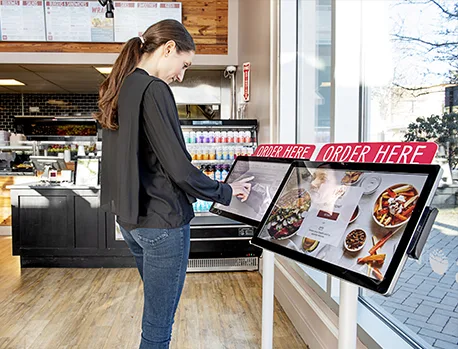
Outdoor kiosks combine several of the most demanding conditions for digital displays. They operate continuously, are exposed to weather and sunlight, and are frequently interacted with by the public. These factors place additional stress on display systems.

A kiosk typically integrates:

a high brightness display
a touch interface
control electronics
power and connectivity components
a sealed or semi-sealed enclosure

Each element ages differently under outdoor conditions. Systems that allow individual components to be serviced or replaced independently are generally easier to maintain over time.

Manuco’s outdoor kiosk range reflects this systems-based approach, where displays are considered part of a broader outdoor solution rather than standalone products:
https://www.manuco.com.au/product-category/outdoor-lcd-signage/kiosks/

Environmental change over time is inevitable

Outdoor display projects are often specified based on current conditions. Over the lifespan of the installation, conditions may change.

Examples include:

  • increased ambient temperatures due to urban development
  • higher usage volumes than initially expected
  • changes to operating hours
  • upgrades to connectivity or content systems
Displays that cannot adapt to these changes are more likely to be replaced prematurely.

Why experienced buyers plan for degradation, not perfection

Outdoor displays are exposed assets. Over time, components will degrade. Planning for this reality leads to better outcomes than assuming static performance.

More resilient outdoor display projects typically:

  • consider component replacement cycles
  • allow for incremental upgrades
  • prioritise access for maintenance
  • separate high-wear components from long-life structures
This approach does not eliminate failure, but it reduces the impact when it occurs.

Outdoor display reliability is a system issue

Failures in outdoor display projects are rarely caused by a single poor decision. They are usually the result of cumulative oversights across environment, specification and lifecycle planning.

Reliable outdoor digital signage depends on:

  • understanding real operating conditions
  • matching components to those conditions
  • designing for heat management and serviceability
  • planning for change over time
Projects that account for these factors early are more likely to deliver consistent performance throughout their intended lifespan.

Frequently Asked Questions

Outdoor displays operate under constant environmental stress. Heat, sunlight, dust, moisture and extended operating hours all contribute to faster component degradation. Failures usually occur when these factors are not fully considered during specification rather than because of a single defective component.

Higher brightness improves visibility in direct sunlight, but it also increases heat generation and power consumption. If brightness levels are not balanced with thermal management and duty cycle planning, display lifespan can be reduced.

One of the most common mistakes is treating the display as a standalone product rather than part of a system. Enclosure design, airflow, service access and component replacement paths are often overlooked, leading to higher maintenance costs later.

Outdoor kiosks combine multiple elements such as displays, touch interfaces, controllers and enclosures into a single public-facing system. Each component ages differently, and servicing is more complex due to limited access and continuous use.

No outdoor display is immune to degradation over time. However, failures can be reduced by selecting components appropriate to the environment, planning for heat management, and designing systems that can be serviced and upgraded incrementally.

Buyers should focus on lifecycle performance rather than day-one specifications. This includes planning for component replacement, environmental change, service access and future upgrades to avoid premature system replacement.

© Copyright Manuco Electronics 2026 - All rights reserved

Web Design by CJ Digital