Outdoor Digital Signage Site Survey Checklist
Outdoor digital signage decisions are easier when the site conditions are captured properly. A screen…




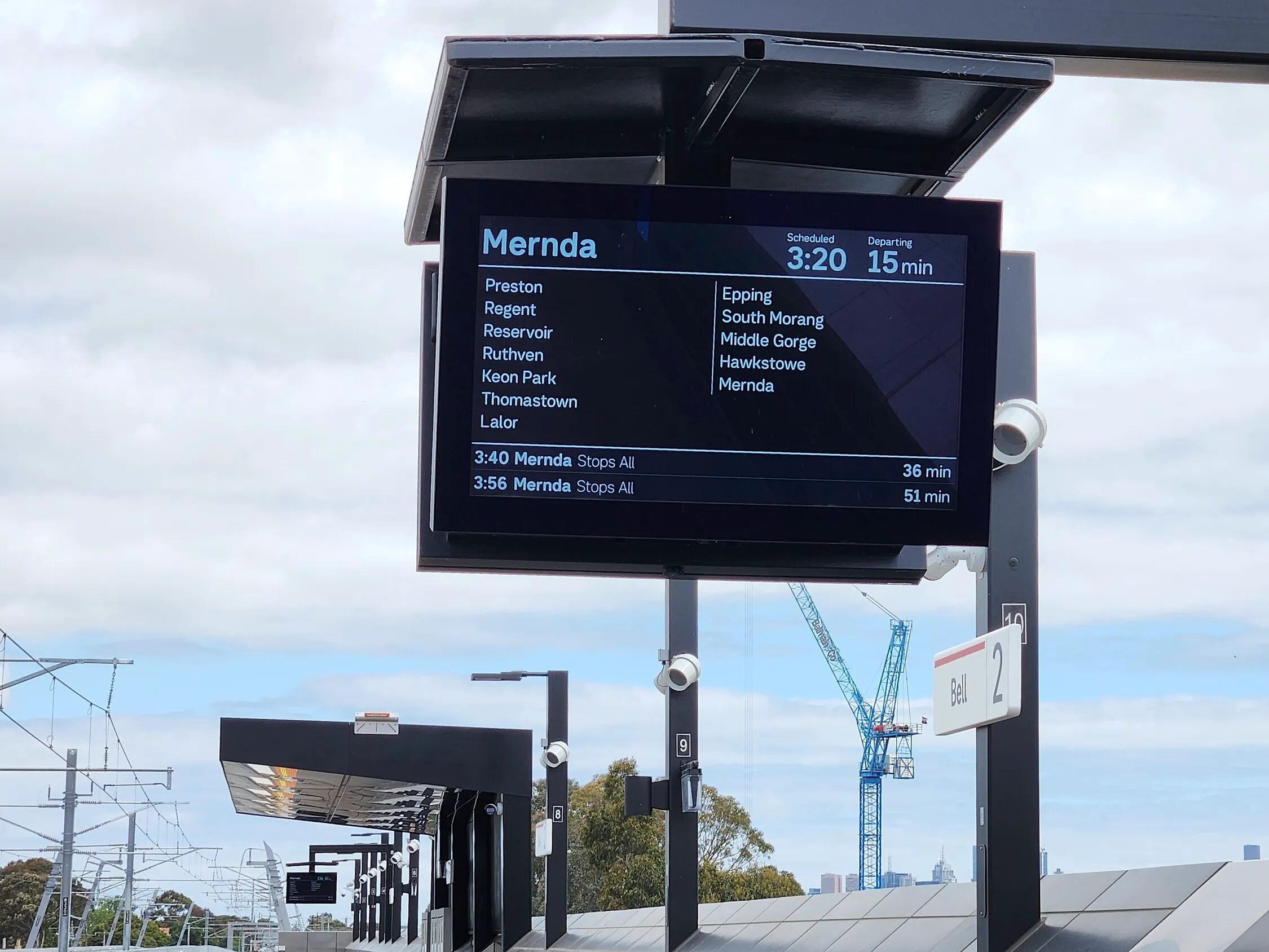
They are widely available, visually impressive, and appear cost effective at first glance. In many cases, they even perform adequately during initial testing. Problems tend to emerge later, once the screen is exposed to continuous use, environmental stress, and integration requirements that consumer products are not designed to handle.
Failures rarely happen overnight. Instead, performance degrades gradually, reliability declines, and maintenance becomes more frequent. By the time the issue is clear, the cost of replacement and downtime often exceeds any initial savings.
Consumer displays are engineered around short daily usage cycles. Televisions and home monitors are typically used for a few hours at a time in stable indoor environments. Power systems, backlights, cooling designs and internal electronics are all optimised for this pattern.
Commercial signage environments are very different. Displays may operate continuously, often without regular shutdowns. Over time, this sustained load places stress on components that were never designed for it.
Common consequences include:
These outcomes are not defects. They reflect different design priorities.
One of the clearest distinctions between consumer and commercial displays is duty cycle. Duty cycle defines how many hours per day a display is intended to operate reliably.
Consumer screens generally assume limited daily use. When operated continuously, heat accumulates inside the unit and components age faster than expected. Commercial displays are built with continuous operation in mind, using components selected to tolerate sustained electrical and thermal load.
In signage applications such as transport hubs, retail centres, kiosks and outdoor installations, duty cycle is a critical specification, not an optional consideration.
Heat is a constant challenge in digital signage. Brightness, power consumption and enclosed installations all contribute to rising internal temperatures.
Consumer displays typically rely on passive cooling strategies suitable for living rooms and offices. In commercial signage, especially when displays are enclosed or mounted in kiosks, these strategies are often insufficient.
Thermal stress can lead to:
Commercial signage frequently demands higher brightness to maintain visibility under ambient lighting or direct sunlight. Consumer screens may be capable of high brightness for short periods, but sustaining it over long durations increases wear on backlight components.
In continuous operation, this can result in:
Consumer electronics follow short product cycles. Models change frequently, and replacement parts may become unavailable within a few years. In a commercial signage deployment, this creates risk.
When a consumer screen fails:

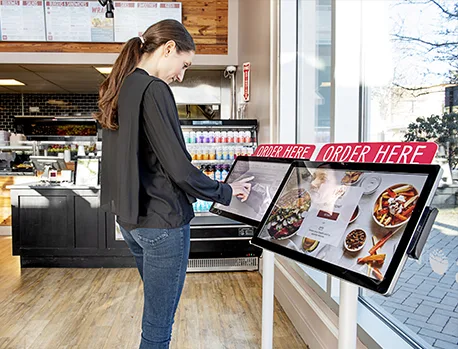
Kiosks are one of the environments where consumer screens fail most visibly. They operate continuously, are often exposed to public interaction, and are usually housed in enclosures that restrict airflow.
In kiosk deployments, displays must tolerate:
When a consumer screen is used in this context, reliability issues often surface quickly. This is why commercial grade displays are typically specified for kiosk applications, particularly in outdoor environments.
Manuco’s outdoor kiosk solutions reflect these requirements by focusing on display components designed for continuous, public-facing use:
https://www.manuco.com.au/product-category/outdoor-lcd-signage/kiosks/
Consumer screens often appear cheaper at the point of purchase. Over time, however, the total cost of ownership can be higher due to:
The most reliable signage deployments recognise that display hardware is not interchangeable across use cases. Consumer screens excel in the environments they are designed for. Commercial signage environments demand different engineering priorities.
Selecting displays designed for continuous operation, predictable lifecycles and integration into signage systems reduces risk and improves long-term performance. In commercial deployments, reliability is rarely achieved by repurposing consumer hardware.
Web Design by CJ Digital