Outdoor Digital Signage Site Survey Checklist
Outdoor digital signage decisions are easier when the site conditions are captured properly. A screen…


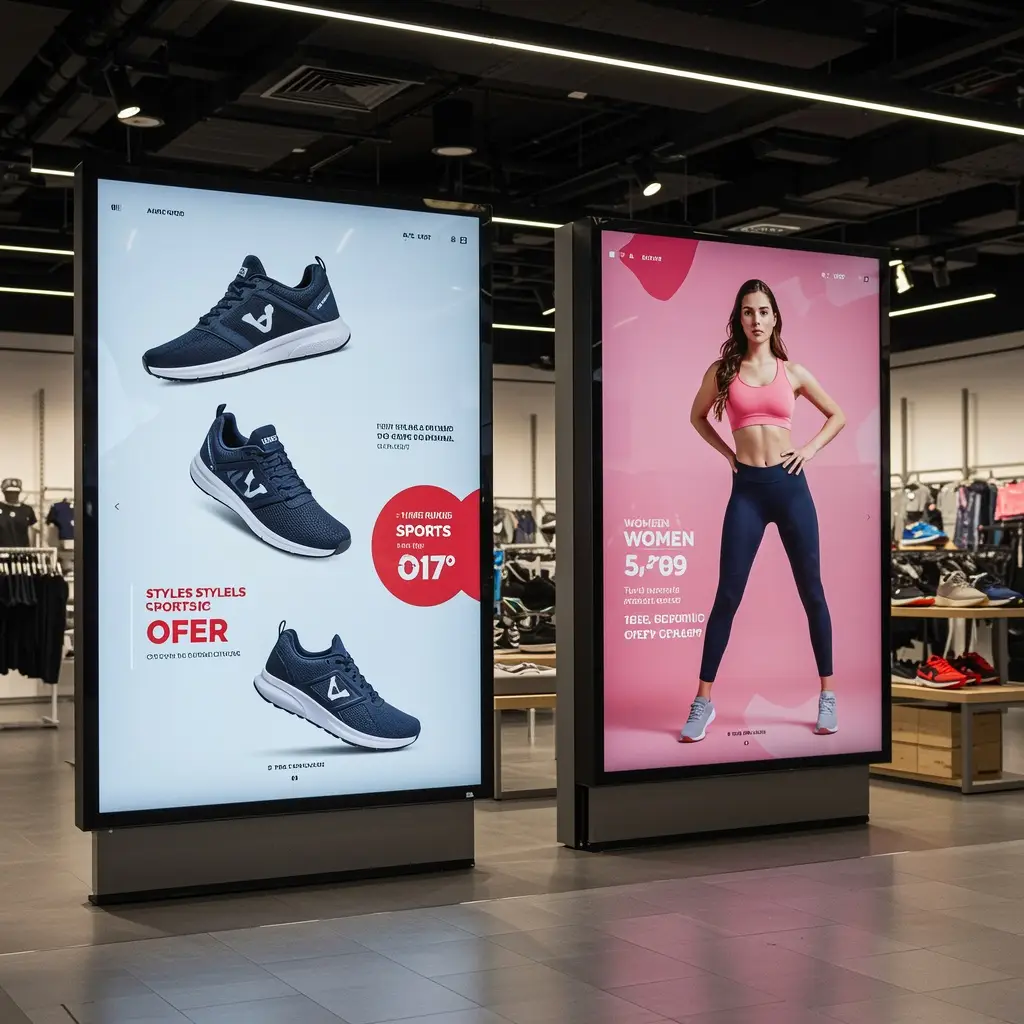

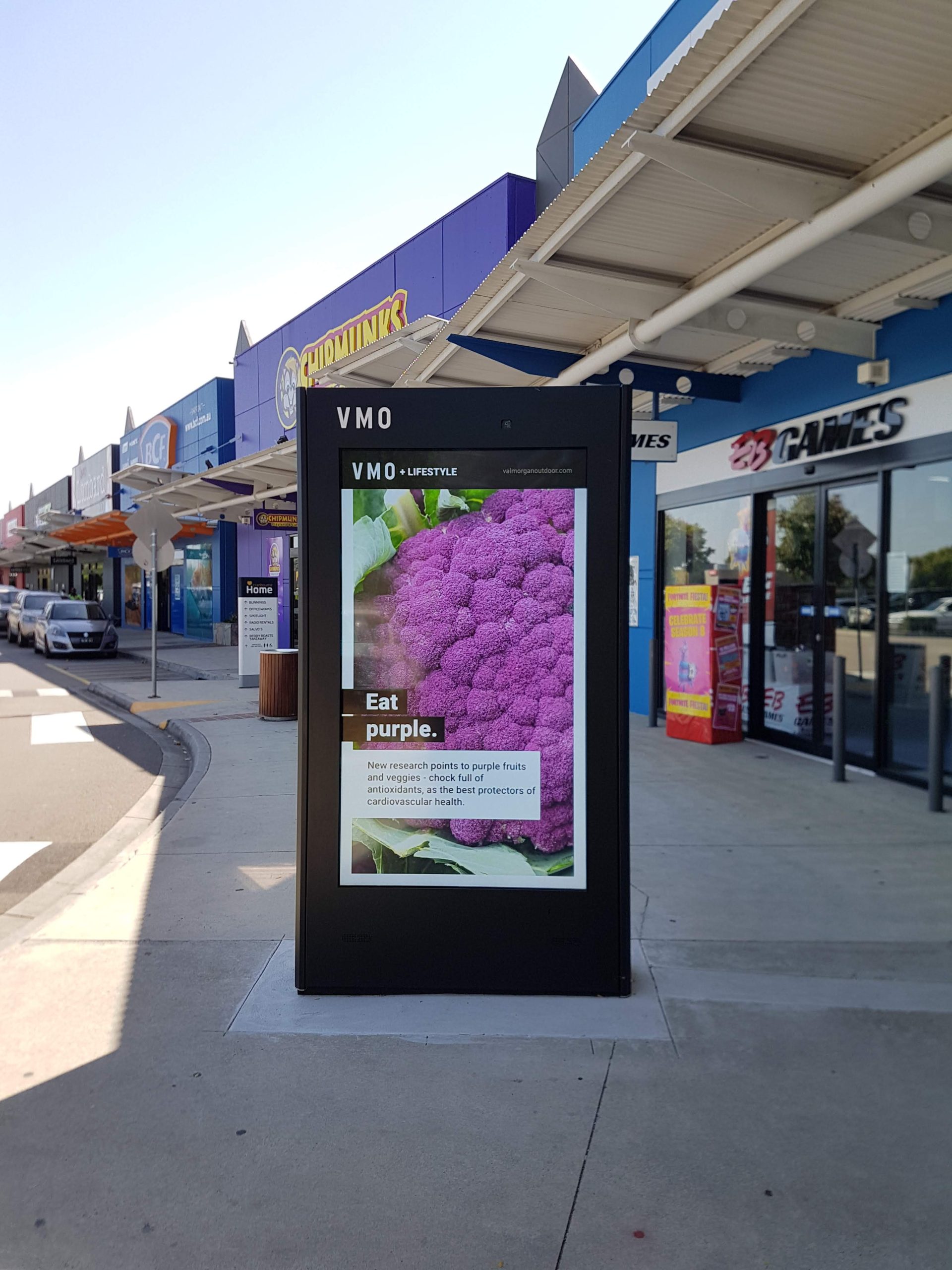
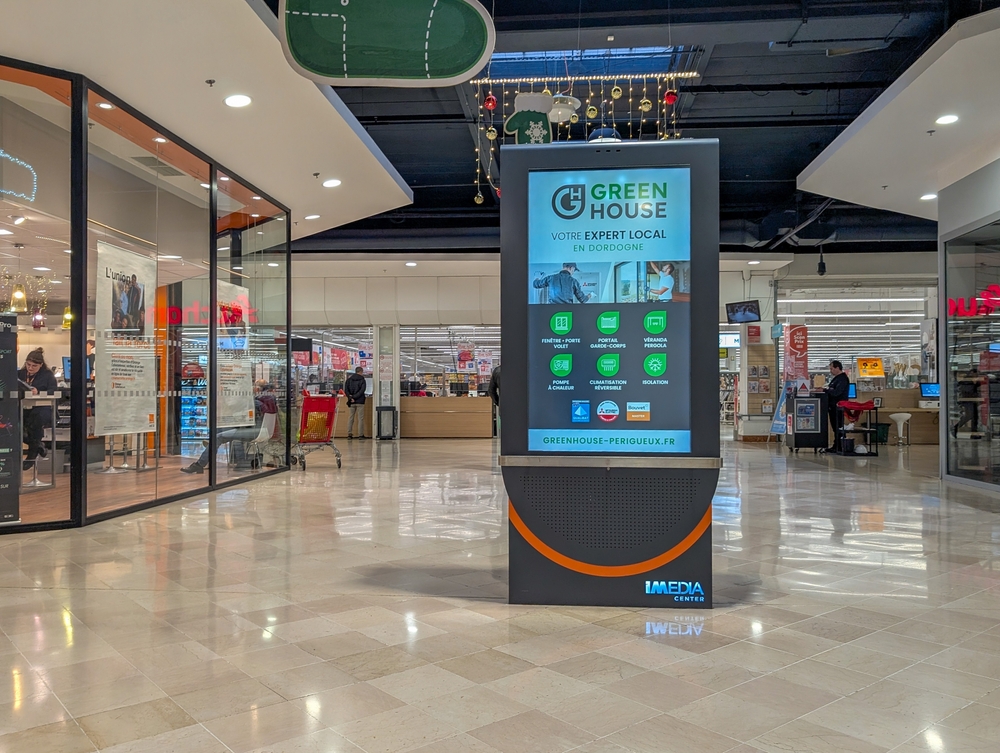

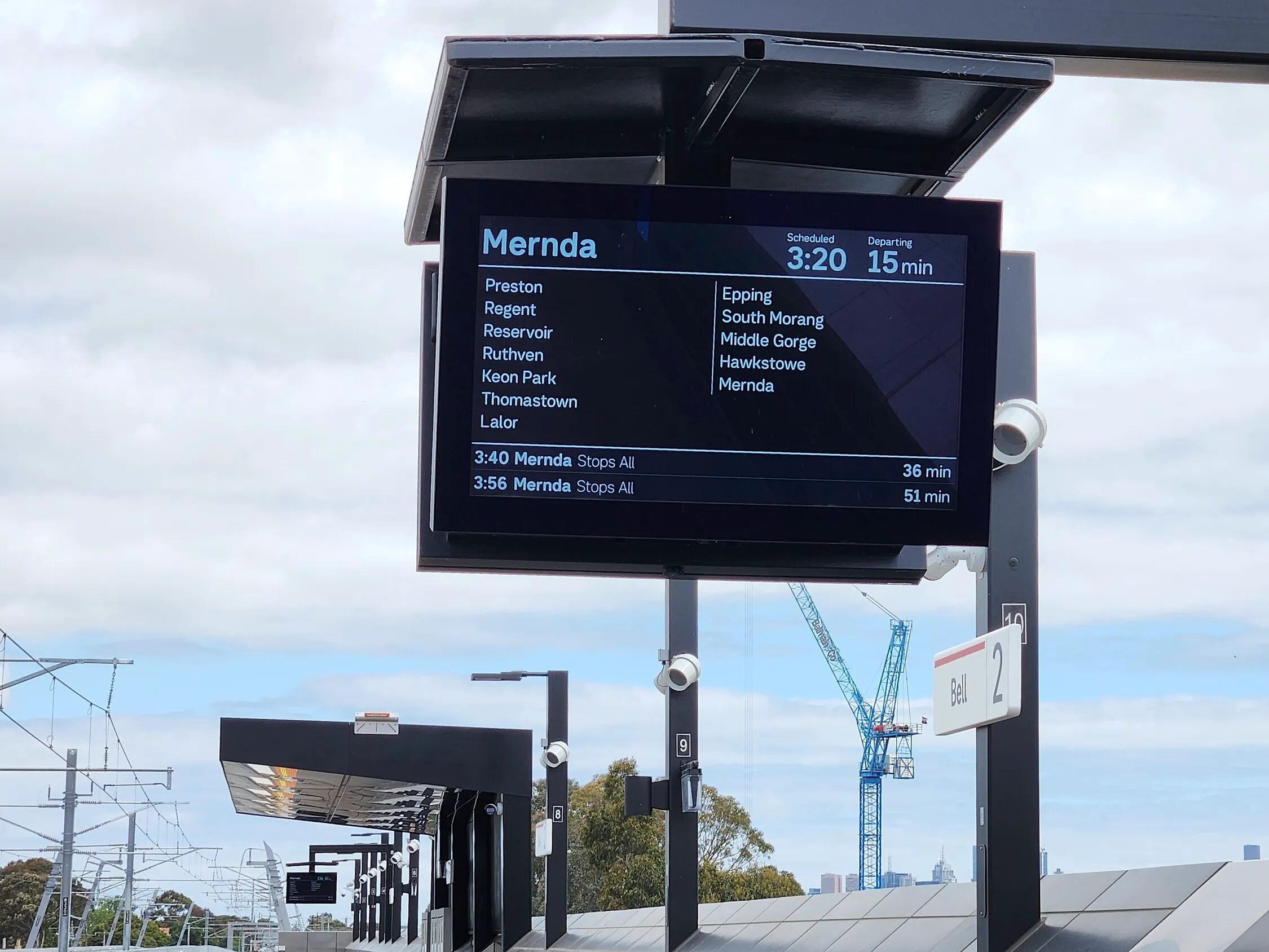
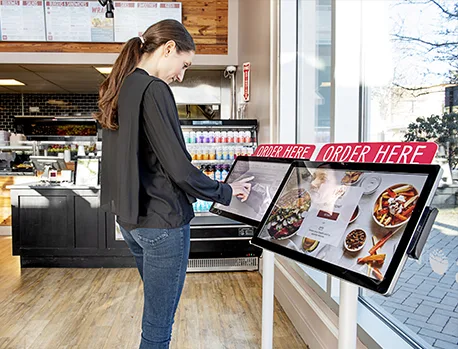
A display that performs well in short daily operating windows can struggle when it is expected to operate around the clock. This distinction becomes critical in environments such as outdoor signage, transport infrastructure, control rooms, kiosks and industrial settings, where displays are required to remain on for extended periods without interruption.
Understanding what makes a display suitable for 24/7 use is less about marketing labels and more about how the display is engineered, specified and supported over time. Commercial displays are built to handle continuous operation. Consumer-grade screens generally are not.
One of the most misunderstood specifications in display selection is duty cycle. Duty cycle refers to how many hours per day a display is designed to operate reliably.
Consumer displays are typically designed for limited daily use. They may perform well in meeting rooms or homes, but extended operation places sustained thermal and electrical stress on internal components.
Commercial displays are designed with:
Continuous operation generates heat. In a 24/7 environment, heat does not dissipate fully between operating cycles. This places additional strain on panels, controller boards and power supplies.
Commercial displays typically address this through:
High brightness is essential for visibility in many commercial and outdoor applications. However, higher brightness increases power consumption and heat output. A display designed for intermittent use may achieve high brightness but struggle to sustain it continuously.
Displays intended for 24/7 operation are designed so that:
In continuous operation, different components age at different rates. Panels, power supplies, controller boards and touch overlays each respond differently to sustained use.
Commercial display systems are typically specified so that:
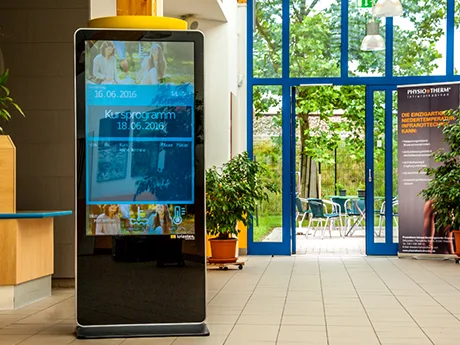

Consumer displays are optimised for cost and short usage patterns. When placed into commercial environments, several limitations become apparent.
Common issues include:
Outdoor installations and kiosks combine continuous operation with environmental exposure. Displays in these settings must contend with heat, dust, vibration and public interaction while remaining on for long periods.
Kiosk deployments typically integrate:
When any of these elements are not designed for continuous operation, the reliability of the entire system is affected. This is why outdoor kiosk solutions are usually specified using commercial-grade display components rather than standard screens.
Manuco’s outdoor kiosk offerings are designed for these types of applications, where continuous operation and serviceability are essential considerations:
https://www.manuco.com.au/product-category/outdoor-lcd-signage/kiosks/
A display suitable for 24/7 use is not defined solely by its initial performance. It is defined by how it performs over time.
Lifecycle planning for continuous operation typically considers:
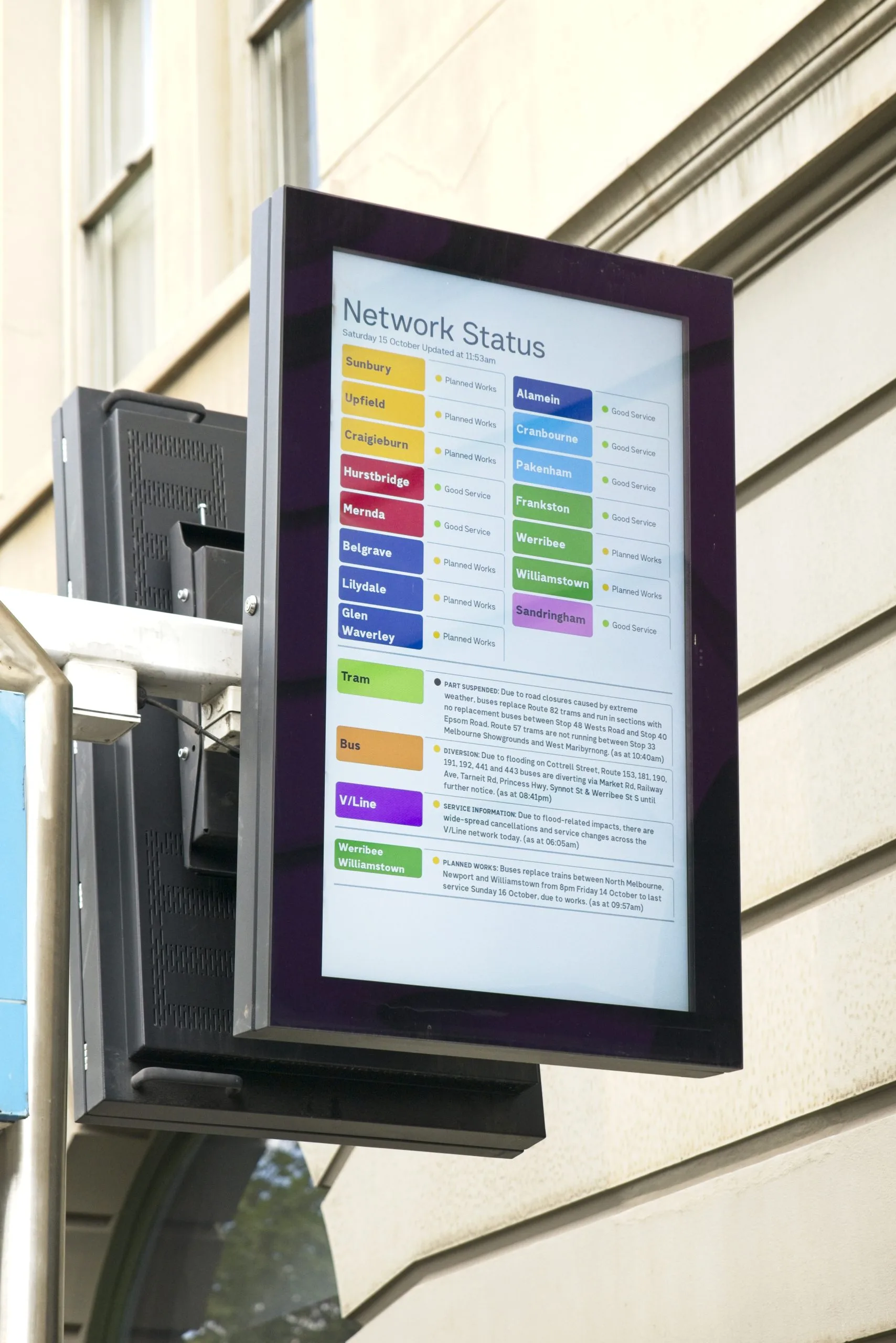
Whether a display is suitable for continuous operation is determined during specification, not after installation. Buyers who consider duty cycle, thermal behaviour and component longevity early are less likely to experience unexpected failures later.
Commercial displays exist because many environments demand predictable, continuous performance. Choosing hardware designed for those conditions reduces risk, improves reliability and extends system lifespan.
It means the display is designed to operate continuously without daily shutdowns, with components rated for sustained thermal and electrical load.
Lower brightness may reduce stress, but consumer displays are still not designed for continuous operation. Long-term reliability remains unpredictable.
Outdoor signage often operates continuously to provide information, advertising or wayfinding. Shutting down regularly is not always practical or desirable.
No. Outdoor use introduces additional environmental factors. Displays must be specified for both continuous operation and environmental exposure.
Continuous operation requires planned maintenance, but displays designed for 24/7 use are built to make this predictable and manageable.
Web Design by CJ Digital